In Weave
Elbert, Altstaedt

Anna-Lena Elbert, soprano
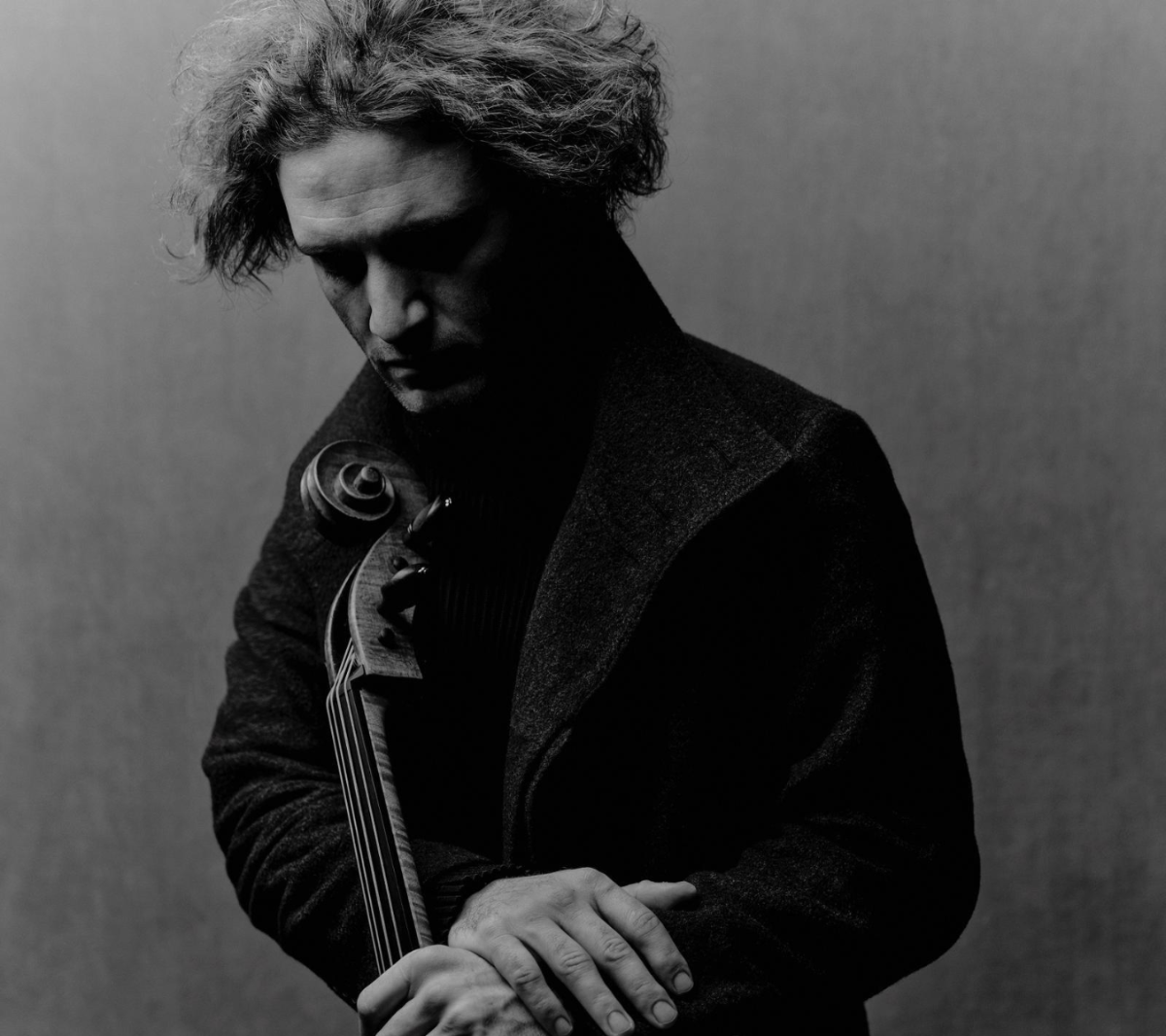
Nicolas Altstaedt, cello
G. de Machaut (1300-1377)
Je ne cuit pas qu'oncques à creature
H. Birtwistle (1934-2022)
Along the River
Hear Where Her Snowgrave Is (from 9 Settings of Lorine Niedecker)
G. Kurtág (1926)
“Jószef Attila - töredékek” op. 20 - Fragment for Solo Soprano
Kurtág’s performance alternates with:
B. Britten (1913-1976)
Suite n. 3 per violoncello op. 87
T. Hume (1569-1645)
Fain Would I Change that Note
Tickle me Quickly
A bedtime eliser offered by Bar Caravatti
40’ | Ticket €18
The programme of this extraordinary event curated by ’Round Midnight spans seven centuries of music united by a common thread: the sung word. And who better could accompany us on this journey than these two extraordinary and versatile internationally renowned musicians?
The ballade B14 Je ne cuit pas qu’oncques à creature by Guillaume de Machaut centres on the female voice celebrating the beauty of the gift of love, introducing the dialogue between soprano and cello that lies at the heart of the entire evening. The two pieces drawn from 9 Settings of Lorine Niedecker by Harrison Birtwistle continue this thread: small vocal miniatures inspired by the almost-haiku poems of the American poet, in which voice and cello create a rarefied and incisive sonic universe inspired by Niedecker’s life near Blackhawk Island in Wisconsin.
Fragments of Attila József, Op. 20 by György Kurtág — his only work for unaccompanied voice — alternates with Suite No. 3, Op. 87 for Solo Cello by Benjamin Britten in a dialogue that amplifies the solitude of both voices.
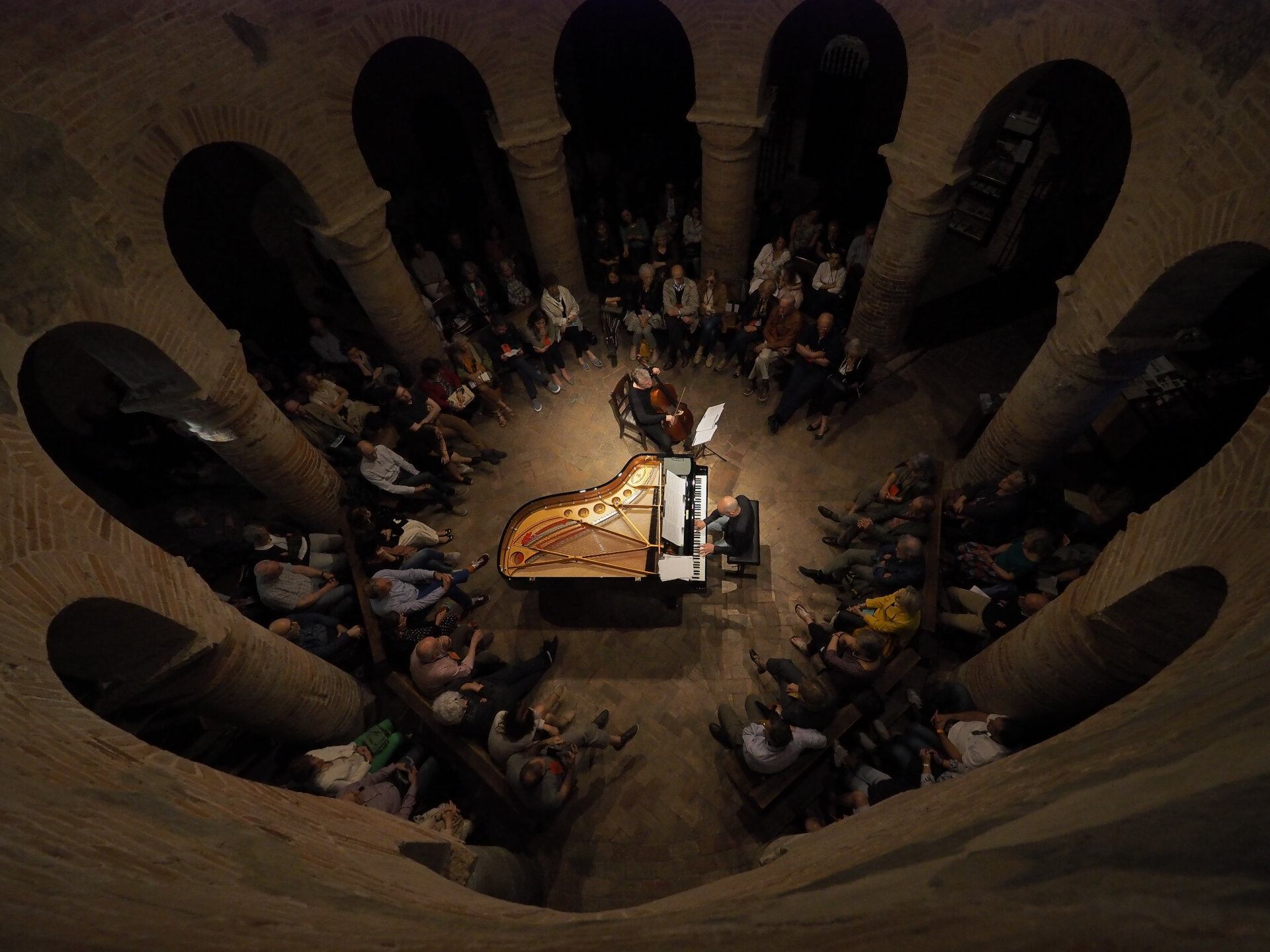
Kurtág transforms the unfinished verses of the Hungarian poet into musical images — contemplations on the human condition, despair, fear of death — sketched with just a few notes that simultaneously evoke Hungarian folk song and seventeenth-century monody. Bringing the evening to a close on the churchyard of the Rotonda di San Lorenzo are three pieces by two Elizabethan lutenists: Fain Would I Change that Note and Tickle me Quickly by Tobias Hume, and Come again by John Dowland, masters of the seventeenth-century love song, leading the evening back to the roots of the European vocal tradition from which it all began.
Trame